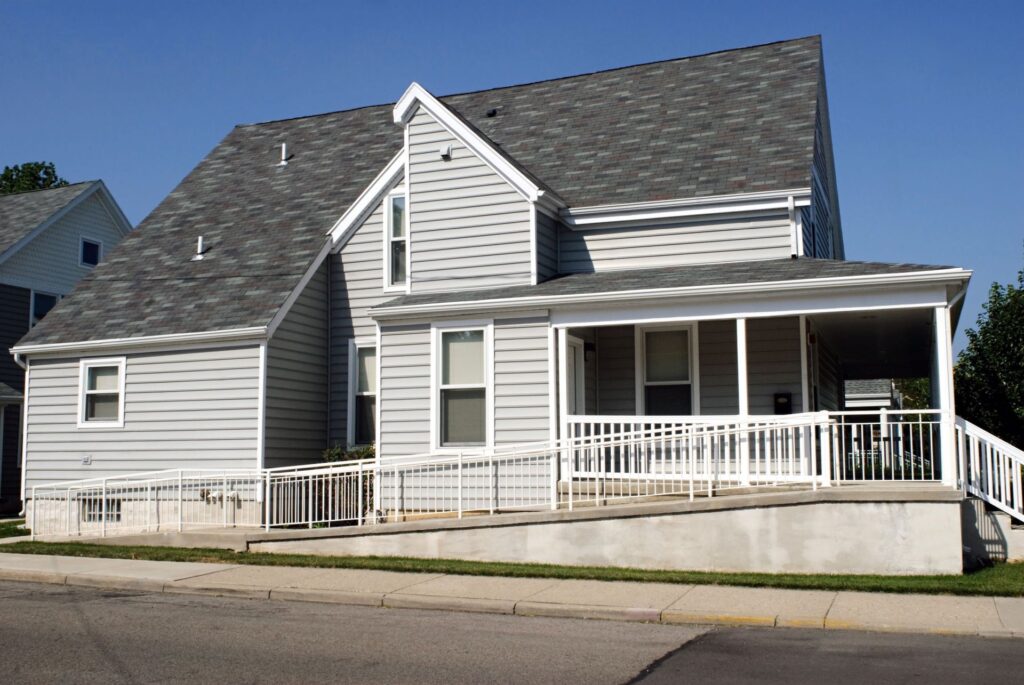



What Happens During a Home Appraisal in Ann Arbor, MI? A Step-by-Step Guide
When you are making an important real estate decision, knowing your property’s true value can help you move forward with confidence. Understanding the home appraisal process in Ann Arbor, MI allows homeowners to know what to expect, what factors influence value, and why working with a licensed appraiser matters. A home appraisal is used for many situations, including selling a property, refinancing, divorce settlements, estate planning, trust administration, and tax-related decisions. At Day Appraisal Company, homeowners throughout Ann Arbor and surrounding Michigan communities receive professional, unbiased property valuations based on market data, property condition, and local expertise. What Is a Home Appraisal? A home appraisal is a professional evaluation that determines the estimated market value of a residential property. A licensed real estate appraiser examines the home, analyzes comparable properties, and prepares a detailed appraisal report. Unlike a real estate agent’s market opinion, an appraisal is an independent valuation completed using professional standards and objective data. A licensed real estate appraiser in Ann Arbor, MI considers several factors when determining a property’s value, including: Property location Home size and layout Condition of the property Recent upgrades and improvements Comparable home sales Current market conditions The goal of an appraisal is to provide an accurate and unbiased opinion of what a home is worth. Why Do Homeowners in Ann Arbor, MI Need an Appraisal? Homeowners may need residential appraisal services in Ann Arbor, MI for several reasons. Selling a Home Before putting a property on the market, many homeowners choose to get a professional valuation. A pre-listing appraisal helps sellers understand their home’s potential market value and make informed pricing decisions. An accurate appraisal can help prevent: Overpricing that delays a sale Undervaluing a property Pricing decisions based only on assumptions A pre-listing appraisal in Ann Arbor, MI can provide valuable insight before starting the selling process. Divorce Property Settlements During a divorce, determining the value of shared property is an important part of dividing assets fairly. A professional divorce home appraisal in Michigan provides an unbiased property value that can support settlement discussions. An independent appraisal can help both parties understand the home’s current value and reduce disagreements about property worth. Estate and Trust Planning Estate and trust situations often require accurate property documentation. Whether a family is handling inheritance, probate, or asset distribution, an appraisal provides a reliable valuation. Day Appraisal Company offers estate appraisal services and trust appraisal services in Ann Arbor, MI to help families and professionals make informed decisions. Refinancing and Property Tax Matters A home appraisal may also be required during refinancing or when reviewing property tax concerns. Understanding your home’s value can help you make better financial decisions. Step-by-Step Home Appraisal Process in Ann Arbor, MI The home appraisal process in Ann Arbor, MI involves several important steps to determine an accurate property value. Step 1: Scheduling the Appraisal Appointment The process begins when a homeowner, lender, attorney, realtor, or another party contacts a licensed appraiser. During this stage, the appraiser collects basic information about the property, including: Property address Type of home Reason for the appraisal Any known updates or improvements Once the details are reviewed, an inspection appointment is scheduled. Step 2: Reviewing Property Information Before visiting the property, the appraiser reviews available information about the home. This may include: Square footage Number of bedrooms and bathrooms Lot size Previous sales information Property features Renovations or additions Providing details about recent improvements, such as kitchen upgrades, bathroom renovations, roofing, or major repairs, can help the appraiser understand the condition and features of the property. Step 3: Completing the Home Inspection During the property visit, the appraiser conducts a detailed inspection of the home. Many homeowners ask, “What do home appraisers look for?” A professional appraiser evaluates: Overall condition of the property Interior and exterior features Quality of construction Room sizes and layout Updates and improvements Functional features Exterior condition Neighborhood characteristics The inspection allows the appraiser to gather the information needed to prepare an accurate valuation. Step 4: Reviewing Comparable Properties One of the most important parts of an appraisal is analyzing comparable sales, often called “comps.” The appraiser reviews recently sold properties that are similar to the subject property. These homes are compared based on factors such as: Location Size Age Condition Features Sale price For homeowners in Ann Arbor and Washtenaw County, local market knowledge plays an important role in understanding how nearby sales influence property value. Step 5: Preparing the Appraisal Report After completing the inspection and market analysis, the appraiser prepares a detailed report. A typical appraisal report includes: Property description Photos Market analysis Comparable sales information Explanation of valuation methods Final estimated property value This report provides documentation that can be used for selling, lending, legal matters, estate planning, or financial decisions. How Long Does a Home Appraisal Take in Ann Arbor, MI? Many homeowners ask, “How long does a home appraisal take?” The physical inspection usually takes about 15 to 45 minutes, depending on the size and complexity of the property. However, the complete process also includes research, comparable sales analysis, and report preparation. Day Appraisal Company provides efficient service and typically delivers appraisal reports within two business days. What Factors Affect Your Home’s Appraisal Value? Several factors influence how an appraiser determines property value. Location Location is one of the most important factors. Neighborhood quality, nearby amenities, schools, and local market conditions can impact value. Home Size and Layout The size of the property, number of bedrooms and bathrooms, and overall functionality affect the appraisal. Property Condition and Improvements Well-maintained homes and documented improvements may positively influence value. Appraisers consider upgrades, repairs, and the overall condition of the property. Comparable Sales Recent sales of similar homes help support the final valuation. How Should You Prepare Your Home Before an Appraisal? Homeowners can take several steps to prepare for an appraisal: Clean and organize the property Complete minor repairs Provide a list of recent improvements Make sure all areas of the home are accessible Gather